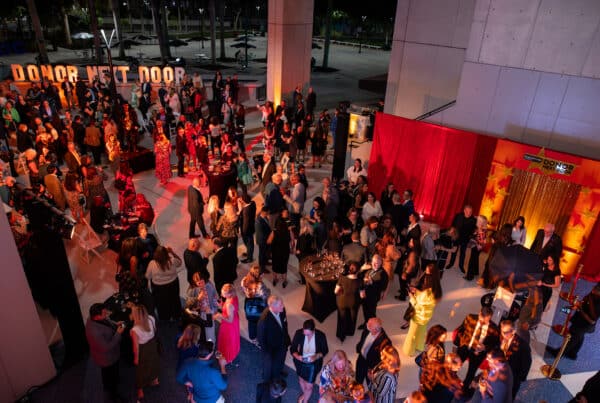
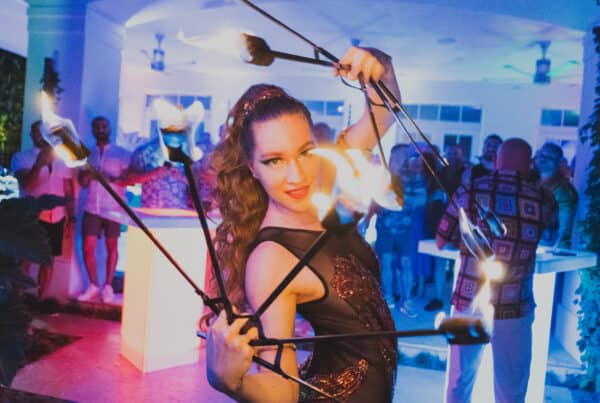
Event Planner vs Event Production Company: What Is the Difference?
Many buyers start with a simple question: “Do I need an event planner or an event production company.” The answer depends on how complex the event is and what you want guests to experience. In general, an event planner helps organize logistics. An event production company helps design, build, coordinate, and execute the full event experience.
If your event needs creative direction, AV, staging, lighting, decor, entertainment, vendor coordination, branded moments, guest flow, and onsite production, you likely need more than a planner. You need an experienced production partner that can handle both planning and the technical and creative work that shapes the event.
The Short Answer
An event planner focuses on organizing the event. An event production company focuses on creating and executing the event experience. A planner typically supports timelines, vendors, budgets, schedules, and general coordination. A production company goes deeper into creative, technical, and experiential elements, including staging, AV, lighting, entertainment, decor, room transformation, branded details, guest flow, and onsite production.
For simple events, a planner may be enough. For corporate events, conferences, galas, holiday parties, product launches, and luxury celebrations where the room needs to look, feel, and function a specific way, an event production company is often the better fit.
What Does an Event Planner Do
An event planner helps organize practical details. Their role is often focused on coordination, communication, timelines, and logistics. A planner may help with budget organization, overall event timeline, vendor communication, guest list coordination, basic venue coordination, menu planning, scheduling, RSVP management, day of coordination, general logistics, planning checklists, and client communication.
A planner is extremely helpful when the event mainly needs organization and vendor communication. A planner may be enough if the event is relatively simple, the venue already provides most of what you need, there is little or no staging or AV, decor needs are minimal, entertainment is simple, the guest experience is straightforward, there are only a few vendors, and you do not need a major room transformation or branded immersive experience.
What Does an Event Production Company Do
An event production company helps bring the full event experience to life. That includes how the event looks, sounds, feels, flows, and functions. Production companies often manage both creative and technical elements that shape guest experience. They can support creative direction, event concept development, theme development, guest experience design, venue transformation, AV production, lighting design, staging, sound, video, LED screens, entertainment coordination, decor and furniture, florals and scenic elements, branding and signage, sponsor visibility, run of show, conference production, speaker support, breakout rooms, vendor coordination, production schedules, load in and load out, and onsite production management.
A production company is especially valuable when the event has multiple moving parts and needs to feel polished, immersive, branded, technical, or high touch. You likely need a production company if you want the room transformed, need staging and AV, are hosting a conference or summit, are planning a corporate event with brand visibility, need sponsor signage or branded elements, are producing a gala or awards program, want a custom holiday party theme, need entertainment and production coordination, have multiple vendors to manage, need a run of show, want the event to feel like an experience rather than a simple gathering, and prefer one team managing creative, technical, and logistical pieces.
Side by Side Overview
At a high level, both planners and production companies can help with timelines, checklists, and vendor communication. Both can assist with budget organization. Planners are more likely to handle guest lists and RSVPs. Production companies focus more strongly on creative direction, theme development, room transformation, AV and lighting design, staging, sound and video, decor and design, branding and signage, sponsor visibility, conference production, run of show, technical direction, onsite production management, guest experience design, and full event execution.
This means that for events where logistics and scheduling are the main needs, a planner may be enough. For events where the environment, production quality, and guest experience are central, a production company is often the stronger choice.
Which Partner Do You Need for Your Event Type
Different event types require different levels of support. For simple corporate lunches, a planner may be enough. For corporate events with branding, AV, staging, entertainment, decor, and guest experience goals, a production company is usually the better fit. Conferences and summits almost always benefit from production support because general sessions, breakout rooms, speakers, registration, signage, staging, AV, lighting, and onsite management go beyond basic planning.
Corporate holiday parties follow a similar pattern. A straightforward dinner may only need a planner, but a themed holiday party with decor, lighting, entertainment, music, branded moments, and full guest experience should involve a production partner. Galas and fundraisers need strong production support when they include speeches, awards, donor moments, sponsor visibility, AV, lighting, staging, entertainment, and a formal run of show. Luxury social events, such as milestone birthdays, mitzvahs, quinceañeras, anniversaries, and high end celebrations, often need production support when decor, entertainment, lighting, and custom details are central. Product launches and brand activations nearly always require production because they must communicate a brand message, create an environment, manage technical elements, and deliver a polished experience.
Common Misconception: “Can My Venue Handle This”
Venues can support part of an event, but they are rarely full production companies. A venue may provide room rental, tables and chairs, basic catering, basic staffing, house AV options, parking or valet coordination, and preferred vendor lists. However, the venue typically does not own creative direction, guest experience, staging, decor, entertainment, branding, signage, run of show, vendor integration, or overall production strategy.
If you want an event to feel customized, branded, immersive, or highly polished, you need a partner whose focus is the event experience, not just venue operations. The venue team and production team should work together, with the production partner driving the experience and the venue team supporting the space.
Common Misconception: “Can We Just Hire Vendors Separately”
You can hire vendors separately, but doing so often creates significantly more work for your internal team. Without a central production partner, someone still needs to manage responsibilities, vendor communication, timelines, load in and load out, layout coordination, power needs, AV requirements, lighting cues, entertainment timing, decor installation, venue rules, run of show, guest flow, last minute decisions, and event day troubleshooting.
An event production company connects all of these moving parts so the event feels cohesive instead of like a collection of unrelated services. This coordination is especially important for larger events, events with many vendors, and events that must reflect a brand or mission clearly.
Why Paramount Is More Than an Event Planner
Paramount Event Productions combines planning, creative direction, design, logistics, entertainment, and production to help clients create events that feel polished from concept through execution. For clients, that means one team can help think through what the event should look like, how guests should feel, which vendors are needed, how the room should flow, which production elements are required, how entertainment fits into the evening, how AV, lighting, staging, and decor work together, how the event should run on site, and how to create a memorable guest experience.
Paramount is designed for clients who want more than coordination. It is built for those who want the full event experience produced thoughtfully, whether for corporate events, conferences, holiday parties, galas, or luxury social celebrations.
Do You Need an Event Planner or an Event Production Company
You may only need an event planner if the event is simple, the venue provides most of what you need, there is no major AV or staging, decor is minimal, entertainment is straightforward, there are only a few vendors, and the event does not need a strong theme or branded experience.
You likely need an event production company if the event needs to look or feel custom, has staging and AV, requires decor, furniture, florals, or scenic elements, includes entertainment integrated into the program, involves multiple vendors, depends on guest experience, calls for a formal run of show, is a conference, gala, product launch, or large corporate event, needs room transformation, or must feel polished, memorable, and professionally produced.
Event Planner vs Event Production FAQs
Buyers often ask what the difference is between an event planner and an event production company. In summary, planners manage logistics and coordination, while production companies manage creative direction, technical production, design, and full experience. They also ask whether one company can handle both roles, and a full service production company like Paramount can do so. There are questions about who handles AV, lighting, staging, decor, entertainment, branding, and signage, and the answer is typically that a production partner is better suited.
Many buyers ask who they should hire for conferences, galas, corporate holiday parties, and complex corporate events. In each case, if the event requires technical production, decor, entertainment, branding, and structured program flow, a production company is usually the right choice. Others wonder how production partners work with venues and internal teams, and the answer is that production companies collaborate with both, reducing the load on staff and committees.
Need More Than Basic Event Coordination
If you are planning an event and not sure whether you need a planner, a production company, or both, sharing event type, date, guest count, venue status, goals, and production needs is the most effective way to decide. With those details, a production team can recommend the right level of planning, creative direction, logistics, and event day support. That guidance helps ensure you invest in the type of partner that matches the complexity and ambitions of your event.